What is Blockchain and How Does It Work
Blockchain is a shared digital notebook that records information in a way that makes it almost impossible to change or cheat. Thousands of computers keep identical copies of this notebook at the same time. If someone tries to alter a number on one computer, all the other computers notice it immediately and reject the change.
Think of it as a public spreadsheet that everyone can read, but no single person owns. Instead of trusting a central bank or a big company to keep track of your money, the network does it together. This system lets people send value directly to each other across the internet without asking a middleman for permission.
The Shared Notebook on Thousands of Computers
Imagine you live in an apartment building with ten neighbors. Every time someone pays rent or sells a bicycle to a neighbor, they shout the deal out loud. All ten neighbors write the transaction down in their own notebook. At the end of the day, everyone compares notebooks. If nine notebooks match and one shows a different number, the group throws out the odd one.
That is how a decentralized network operates. In a traditional bank, one single computer system holds the master list of accounts. If a rogue worker changes a balance, or if a hacker breaks into that one system, your money could vanish. With a blockchain network, a hacker would have to break into thousands of computers spread around the world at the exact same second. That is why people call this technology safe.
Consider a simple real-world transfer. Sarah wants to send $50 to her brother Tom. In the old system, her bank checks her account, subtracts $50, and sends a message to Tom's bank. Both banks charge a small fee and take time to update their private ledgers. On a shared digital ledger, Sarah sends the transaction to the network. Nearby computers check that Sarah actually has the $50, and then they record the transfer on every copy of the ledger at once.
How Blocks Join Together to Form a Chain
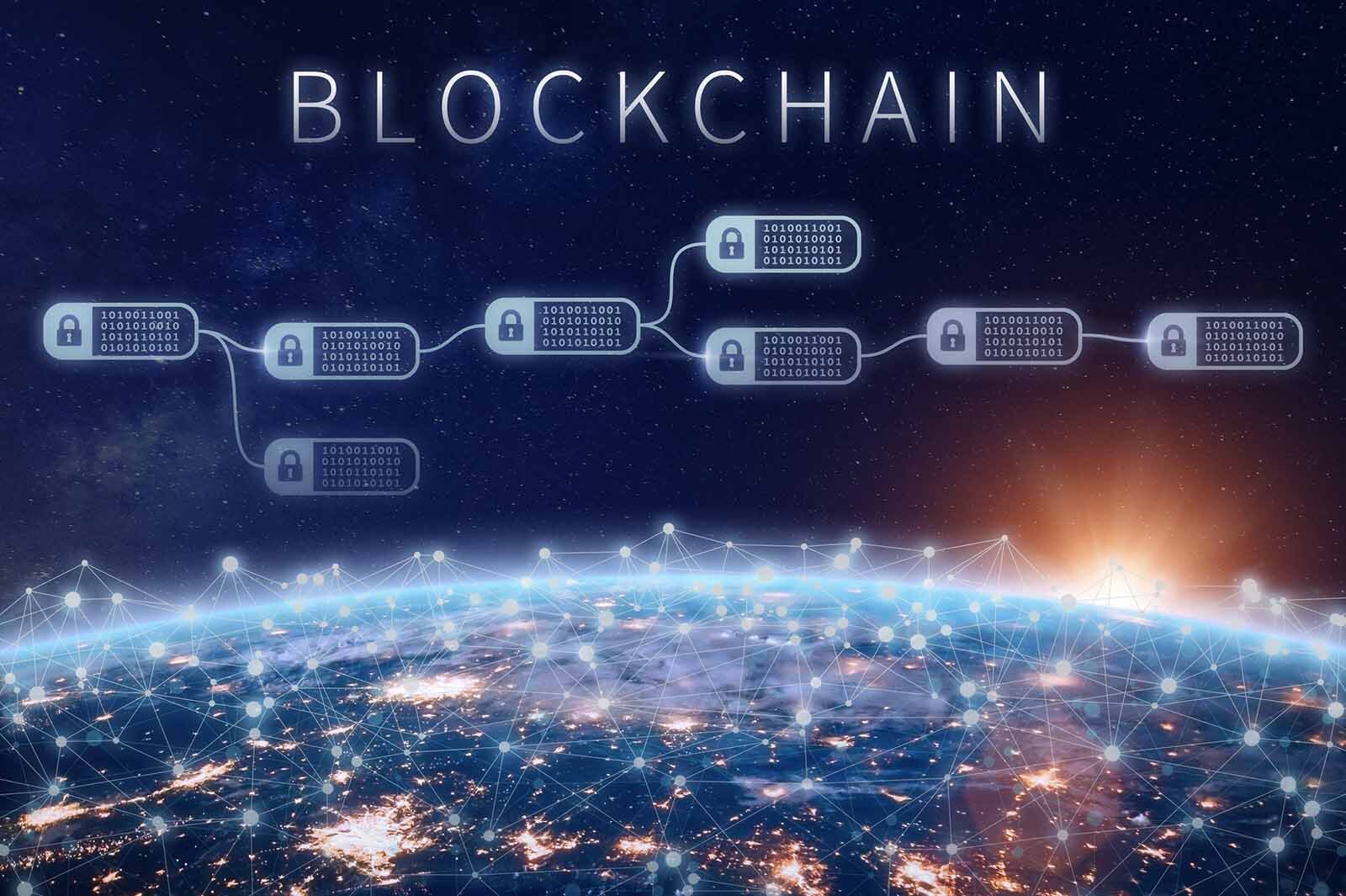
Why do we call it a blockchain anyway? The name comes from how the computer code groups data together into chunks called blocks. Each block holds a list of recent transactions, like a single page in a paper accounting book.
When a block gets full of transactions, the network locks it shut. The system seals the block using a special math puzzle that generates a unique code of letters and numbers. This code is called a hash. You can think of a hash like a digital fingerprint. If you change even a single space or a single penny inside that block, the fingerprint changes completely.
Here is where the magic happens. The very next block takes that fingerprint and pastes it right at the top of its own page. Then it fills up with new transactions, gets sealed with its own new fingerprint, and passes that code to the block after it. This creates a long, unbroken chain of pages linked by mathematical codes.
If a scammer tries to go back to a block from three years ago to add $10,000 to their account, the fingerprint of that old block changes instantly. Because the next block has the old fingerprint written inside it, the link breaks. The whole chain after that point falls apart on that hacker's computer. The rest of the network sees the broken link and ignores that bad computer completely.
What Makes This Tech Different from Normal Banks
Most of us use regular banking apps on our phones every day without thinking twice. So why did engineers bother building this new system? The answer comes down to control, speed, and trust.
When you put your cash into a standard bank, you do not technically control that money anymore. The bank holds it, tracks it, and decides if you can spend it. If the bank's website goes down on a Sunday night, you cannot send money to a friend. If you try to send cash overseas, it can take four days and cost $30 in wire fees. If you enjoy reading about clear, practical topics in your free time, check out these 6 Short Books You Can Finish in a Day for quick, easy reads.
A open network never sleeps, never takes a holiday, and never asks for your passport just to move your own funds. The table below shows how a distributed ledger compares to a traditional bank system:
Traditional Bank System:
- Owned by one company or bank
- Private records hidden from the public
- Can freeze accounts or block transactions
- Closed on weekends and holidays
Shared Ledger System:
- Run by thousands of independent computers
- Public records that anyone can double check
- No central boss can freeze your account
- Runs 24 hours a day, 365 days a year
This difference matters most in countries with weak financial systems. In places where banks crash or inflation wipes out life savings, people use global digital ledgers to protect their hard-earned money. You can learn more about how digital assets work by reading our clear guide on crypto market movements and digital assets.
Real World Uses Beyond Digital Money
It is easy to think this technology only exists for trading cryptocurrency coins like Bitcoin. While digital cash was the first big test, people use these secure networks for many other everyday tasks today.
Take food safety as an example. Major grocery stores like Walmart use shared digital ledgers to track mangoes and leafy greens from the farm to the dinner table. In 2018, when sick consumers bought contaminated spinach, it used to take health officials seven days to trace the bad farm. With a digital tracking chain, the store can trace the exact farm in two seconds. They scan a box, check the chain, and see every truck and warehouse that touched that food.
Another real use is house land titles. In many developing nations, paper land records get stolen, lost in fires, or altered by corrupt officials. If a country puts home ownership records on a public network, no dishonest government worker can rewrite who owns a family home. The record stays sealed forever.
Artists use this system to prove they made a piece of digital art. Hospitals test it to share medical records between doctors safely without leaking patient names. The tech is simply a tool for proving that something happened at a specific time without relying on a middleman.
What are the Risks and Limitations?
Is this new technology perfect? Not at all. Every new tool comes with real trade-offs and risks that beginners must understand before jumping in.
First, speed can be a major problem. A credit card giant like Visa handles around 24,000 transactions every second without sweating. A simple network like Bitcoin can only handle about seven transactions per second. Because thousands of computers must check every single payment, the whole process can get slow and expensive when lots of people use it at the same time.
Second, there is no customer support desk. If you send cash through your bank to the wrong account number, you can call a helpline. A friendly worker can often stop the transfer and fix your mistake. On a public digital ledger, there is no phone number to call. If you copy a payment address wrong, your funds disappear into the digital void forever. Nobody can reverse a transaction once it joins a valid block.
Finally, energy use remains a topic of debate. Some older networks require computers to run heavy math calculations day and night, consuming as much electricity as a small country. Newer networks use different rules that require 99 percent less power, but the older, slower networks still hold the most value today.
Are you comfortable handling your own digital security without a bank safety net? That is the primary question everyone needs to ask themselves before using these networks.


Comments
Post a Comment